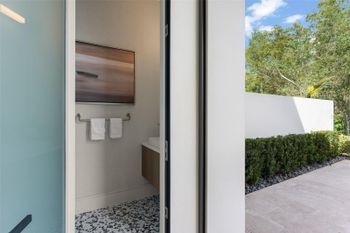
New - 30 Mins Ago


$999,000
Active
3
Beds
4
Baths
2744
Sqft
0.14
Acres
10713 Berry Creek Rd, Orlando, FL 32836
MLS#: MFRR4912172


Are you considering a move to Orlando, Florida, or searching for a home in a community that matches your lifestyle? Known for its warm climate, diverse neighborhoods, outdoor recreation, and wide range of housing options, Orlando offers something for many different types of homebuyers. Whether you are a first-time buyer, a growing family, a working professional, a retiree, or someone relocating from another state, choosing the right neighborhood is an important step toward finding your ideal home.
Beyond its world-famous theme parks, Orlando offers established residential communities, modern developments, lively urban districts, scenic lakes, and suburban neighborhoods with convenient access to everyday amenities. Each area has its own character, housing options, and lifestyle advantages.
In this guide, we will explore Orlando's popular neighborhoods, local amenities, housing choices, and important considerations to help you discover which part of Central Florida may be right for you.
Orlando has grown into a diverse metropolitan area with a combination of employment opportunities, residential communities, entertainment, and outdoor recreation. Its housing options range from downtown condominiums to spacious suburban homes, giving buyers different ways to approach their search.
Orlando experiences hot, humid summers and generally mild winters. This climate allows residents to enjoy outdoor activities throughout much of the year, including walking, cycling, golfing, boating, and visiting local parks.
The region has numerous lakes, nature preserves, recreational trails, and public green spaces. Many residential communities also offer swimming pools, playgrounds, fitness facilities, and walking paths.
However, Florida's summer heat, afternoon thunderstorms, and seasonal severe weather are important factors to consider when choosing a property. Air-conditioning efficiency, roof condition, drainage, and insurance costs can all influence the experience of owning a home in Central Florida.
One of Orlando's advantages is its range of residential properties. Depending on your budget and preferences, you can explore:
The right option depends on your household size, preferred location, maintenance preferences, and long-term plans.
Orlando is internationally recognized for its theme parks and entertainment destinations, but residents also enjoy local restaurants, shopping districts, cultural attractions, sporting events, and community festivals.
The wider metropolitan area provides a mix of busy urban destinations and quieter residential settings. This means you can look for a home near the activities you enjoy while considering the level of convenience, space, and privacy you prefer.
Every homebuyer has different priorities. Some prefer an urban environment, while others want a spacious home, access to parks, or a planned community with shared amenities.
Here are several Orlando-area neighborhoods and communities worth exploring.
Downtown Orlando may be a good option for people who enjoy being close to restaurants, offices, entertainment venues, and cultural attractions.
The area offers apartments, condominiums, and access to nearby residential neighborhoods. Lake Eola Park provides a popular outdoor destination for walking, relaxing, and attending community events.
Living downtown may reduce travel time to certain workplaces and amenities, depending on your location. However, parking, traffic, noise, and housing costs vary throughout the area.
Lifestyle fit: Urban living, dining, entertainment, and convenient access to downtown destinations.
Housing options: Apartments, condominiums, and nearby townhomes and single-family homes.
Winter Park is known for its tree-lined streets, parks, cultural attractions, and shopping and dining areas. Park Avenue is a well-known destination for local businesses, restaurants, and boutiques.
Housing options include historic homes, modern residences, condominiums, and townhomes. Prices and property styles vary by neighborhood, so buyers should compare individual listings carefully.
Winter Park may appeal to people who appreciate established neighborhoods, attractive streetscapes, and access to local cultural and recreational activities.
Lifestyle fit: Established residential areas, local shops, cultural experiences, and parks.
Housing options: Historic properties, single-family homes, condominiums, and townhomes.
Located southeast of downtown Orlando, Lake Nona is known for its planned developments, healthcare facilities, parks, and modern residential communities.
Depending on the development, residents may have access to walking trails, swimming pools, fitness facilities, playgrounds, and shared recreational spaces.
Homebuyers should compare HOA fees, community rules, school assignments, property prices, and commute times before choosing a particular development.
Lifestyle fit: Modern communities, planned amenities, healthcare access, and newer residential options.
Housing options: Single-family homes, townhomes, and other residential properties in planned developments.
Dr. Phillips, southwest of Orlando, offers residential neighborhoods with access to restaurants, shopping, parks, and major roadways.
The area includes condominiums, townhomes, and single-family properties. Restaurant Row is a popular destination for people who enjoy dining out, while nearby shopping centers provide access to everyday conveniences.
As with any neighborhood, costs, housing styles, and amenities vary between individual communities.
Lifestyle fit: Residential comfort, dining options, shopping, and convenient access to major roads.
Housing options: Condominiums, townhomes, and single-family homes.
Windermere and its surrounding areas offer a range of residential settings, including planned communities and properties near lakes.
Some areas feature larger homes, landscaped streets, and community amenities. Buyers interested in lakefront properties should also evaluate flood exposure, insurance availability, maintenance requirements, and applicable waterfront regulations.
Property prices and neighborhood characteristics vary, making it important to compare specific locations rather than relying on general assumptions about the area.
Lifestyle fit: Residential communities, scenic surroundings, and a variety of larger-home options.
Housing options: Single-family homes, planned-community properties, and some lakefront residences.
Kissimmee, south of Orlando, offers a wide range of residential options, including apartments, townhomes, single-family homes, and planned communities.
Residents can explore local parks, shopping areas, restaurants, and recreational destinations. Depending on the location, Kissimmee may also provide access to employment centers and attractions throughout the Orlando region.
Commute times and neighborhood amenities differ significantly, so evaluate the specific community and your typical travel routes before making a decision.
Lifestyle fit: A range of housing options, suburban living, and access to regional attractions.
Housing options: Apartments, townhomes, single-family homes, and planned-community properties.
A neighborhood should do more than look appealing in photographs. It should support your daily routine, financial goals, and long-term needs.
Think about where you work, how often you travel, and which amenities you use most frequently.
If you enjoy dining out, attending events, and visiting local businesses, you may prefer an area with convenient access to urban amenities. If you value outdoor space and a quieter setting, a suburban neighborhood may be more suitable.
Make a list of the features that matter most to you. These might include:
Separating essential features from optional extras can help you narrow your search and make better comparisons.
Your budget should include more than the purchase price or monthly rent.
Homebuyers should consider mortgage payments, property taxes, homeowners insurance, maintenance, utilities, closing costs, and HOA fees where applicable.
Insurance costs can vary significantly based on the home's age, roof condition, construction, location, and coverage requirements. Request property-specific estimates before making a final decision.
Visit neighborhoods at different times of day when possible. Check traffic, noise, parking, nearby businesses, and access to major roads.
If you are moving from out of state, use virtual tours and local guidance to evaluate your options. You can also research school assignments, public transportation, healthcare access, and local amenities before arranging an in-person visit.
For households with children, the right neighborhood may depend on schools, parks, recreation, and access to essential services.
The Orlando region includes public schools, private schools, and higher-education institutions.
If school access is a priority, verify the current school assignment for each property with the relevant district. School boundaries can vary between nearby neighborhoods and may change over time.
You may also want to consider transportation, extracurricular activities, childcare availability, and the distance to educational facilities.
Parks, playgrounds, sports facilities, and walking trails can make it easier to enjoy outdoor activities close to home.
Some planned communities offer shared amenities such as swimming pools, fitness centers, and recreational spaces. Confirm which facilities are included with a property and whether additional fees or restrictions apply.
Access to grocery stores, pharmacies, medical facilities, and other essential businesses can make a meaningful difference in everyday convenience.
When comparing homes, estimate travel times to the places your household visits regularly rather than relying solely on the neighborhood's overall reputation.
Orlando's housing market offers different property types for buyers with different needs.
First-time buyers may want to compare townhomes, condominiums, and smaller single-family homes. Consider the down payment, mortgage qualification, closing costs, maintenance responsibilities, and recurring fees.
A lower purchase price does not always mean lower overall expenses, especially if insurance, maintenance, or association fees are high.
Buyers who need more room may prefer homes with additional bedrooms, flexible living areas, private yards, or access to recreational amenities.
Look beyond the current layout and consider whether the property will continue to meet your needs in the coming years.
People working in offices may prioritize commuting distance and access to major roads. Remote workers may place more emphasis on a home office, internet availability, quiet surroundings, and comfortable indoor space.
Compare properties based on how well they support your work schedule and daily routine.
Retirees and downsizers may prefer low-maintenance homes, condominiums, or communities with convenient access to healthcare, shopping, and recreation.
Review HOA fees, community rules, accessibility features, insurance expenses, and maintenance responsibilities before choosing a property.
New developments can offer modern layouts, updated features, and planned community amenities. However, buyers should research the builder, review the purchase agreement and warranty, and understand the development's timeline and future plans.
Consider construction quality, nearby road projects, planned commercial development, and any recurring community fees.
The cost of living varies across the Orlando metropolitan area, depending on housing, transportation, household size, and lifestyle.
Home prices and rents depend on location, property size, condition, age, and market conditions. Compare recent sales and current listings in the neighborhoods you are considering.
For homeownership, include property taxes, insurance, utilities, repairs, and HOA fees in your calculations. For rentals, account for deposits, utilities, parking, and any additional charges.
Many residents rely on personal vehicles for commuting and everyday errands. Your transportation budget may include fuel, insurance, tolls, parking, maintenance, and vehicle payments.
Public transportation is available in parts of the region, but convenience depends on your route and destination.
Air conditioning can be a significant household expense during Orlando's hot summer months. When evaluating a home, ask about average electricity bills, HVAC system age, insulation, and energy-efficient features.
Florida's warm, humid climate also makes routine maintenance important. Check for moisture intrusion, roof issues, drainage concerns, and signs of pest activity during the home-buying process.
Orlando offers plenty of ways to enjoy your free time beyond your immediate neighborhood.
Lake Eola Park in downtown Orlando offers walking paths, lake views, and community events. Across the wider region, residents can explore parks, nature preserves, trails, and lakes.
Outdoor opportunities vary by location, so consider proximity to the activities you enjoy most.
Orlando features a wide variety of restaurants, cafés, shopping centers, and local businesses. Winter Park, downtown Orlando, and the Dr. Phillips area each offer different dining and shopping experiences.
Choosing a home near your preferred destinations can make it easier to enjoy these amenities as part of your regular routine.
The Orlando region is home to major attractions, including Walt Disney World Resort and Universal Orlando Resort, as well as sports, arts, and cultural destinations.
Travel times depend on where you live and traffic conditions. If you plan to visit attractions frequently or work in the tourism industry, consider how your preferred neighborhood connects to those destinations.
Transportation can influence both your choice of neighborhood and your overall quality of life.
Before purchasing a property, test your likely commute during typical morning and evening travel periods. Consider access to major roads, toll routes, parking, and public transportation.
If you travel frequently, proximity to Orlando International Airport may also be important.
A neighborhood that appears close to your workplace on a map may still involve a longer commute during peak traffic. Evaluate the actual route and travel time before committing to a home.
Choosing a home involves understanding both the property and the responsibilities associated with owning it.
Some Orlando-area communities have homeowners associations that charge recurring fees and enforce community rules.
Before purchasing, confirm the current fee, what it covers, whether special assessments apply, and which restrictions govern the property.
Florida homeowners insurance costs vary by property and coverage. Review roof condition, construction, location, and insurance availability before making an offer.
Properties near lakes or in low-lying areas may have additional flood considerations. Research official flood maps and discuss appropriate coverage with an insurance professional.
A home inspection can help identify issues with the roof, HVAC system, plumbing, electrical components, drainage, and other major features.
Review the inspection findings carefully and discuss any concerns with your real estate professional and relevant specialists before finalizing the purchase.
Recent sales of similar homes can help you understand local market conditions and assess whether an asking price is reasonable.
Consider differences in property condition, size, lot, location, and included features rather than relying on a single nearby sale.
Exploring a new city can be challenging, especially if you are relocating from another state or unfamiliar with Central Florida.
A local real estate professional can help you compare neighborhoods, identify suitable properties, arrange showings, evaluate comparable sales, and understand the buying process.
They can also help you identify questions to ask about HOA fees, community amenities, property condition, and local ownership costs.
If you are searching remotely, virtual tours and online consultations can help you narrow your options before visiting Orlando.
The goal is to find a property that fits not only your budget but also your lifestyle, priorities, and long-term plans.
Orlando offers a diverse range of neighborhoods, housing options, recreational activities, and everyday amenities. From the urban atmosphere of downtown Orlando to the established character of Winter Park, the modern developments of Lake Nona, and the residential communities of Dr. Phillips and Windermere, there are many possibilities to explore.
The best neighborhood for you depends on what matters most: affordability, commute times, outdoor recreation, dining, community amenities, or the type of home you want to own.
Take time to research your options, compare total housing costs, and explore the areas that interest you. With careful planning and reliable local guidance, you can make a confident decision about where to live in Central Florida.
Ready to Find Your Perfect Orlando Home?
Whether you are moving to Orlando, buying your first home, or looking for a property that better fits your lifestyle, the right guidance can make your search easier.
Explore available properties, compare Orlando-area neighborhoods, and connect with a local real estate professional to find a home that suits your needs. Your next chapter in the Sunshine State begins with choosing the right place to call home.