New - 30 Mins Ago


$999,000
Active
3
Beds
4
Baths
2744
Sqft
0.14
Acres
10713 Berry Creek Rd, Orlando, FL 32836
MLS#: MFRR4912172


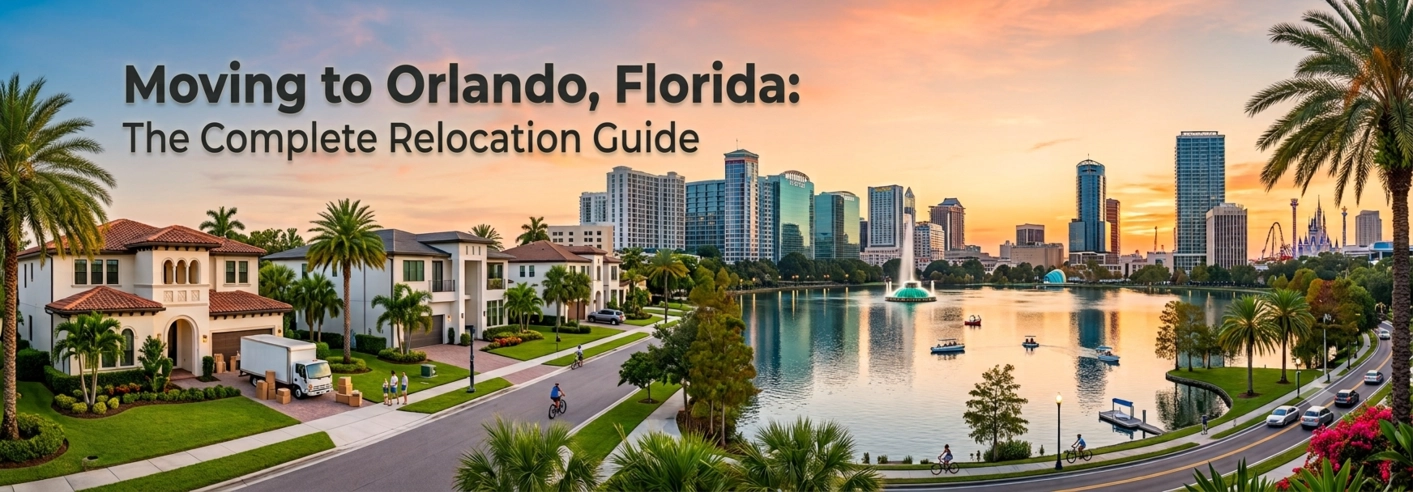
Thinking about moving to Orlando, Florida? Known for its warm weather, diverse communities, entertainment attractions, and variety of housing options, Orlando has become a popular destination for individuals, families, retirees, and professionals looking for a new place to call home. Whether you are relocating for work, searching for your dream home, or looking for a lifestyle change, Orlando offers a range of opportunities to explore.
However, moving to a new city involves more than choosing a house. Understanding the cost of living, comparing neighborhoods, evaluating transportation options, and learning about the local real estate market can help you make a confident decision.
This complete relocation guide covers what you should know before moving to Orlando, Florida, so you can plan your move and find a home that fits your lifestyle and budget.
Orlando offers a combination of residential communities, employment opportunities, recreational activities, and access to Central Florida's attractions. Its location also makes it convenient for exploring other parts of the state.
Here are some reasons people consider moving to Orlando.
Orlando has a subtropical climate, with hot, humid summers and generally milder winters. Residents can enjoy outdoor activities throughout much of the year, including walking, cycling, boating, golfing, and visiting local parks.
The warmer climate can be appealing to people moving from regions with long, cold winters. However, summer temperatures, humidity, thunderstorms, and hurricane-season weather are important considerations when planning your move.
The Orlando metropolitan area has employment opportunities across several industries, including tourism, hospitality, healthcare, education, technology, aerospace, and professional services.
The region's major attractions and convention facilities support a substantial tourism and hospitality sector. Other industries provide opportunities for people seeking different career paths.
Before relocating, research employment options in your field, commute distances, and whether your preferred neighborhood offers convenient access to potential workplaces.
Orlando is internationally recognized for its theme parks and entertainment destinations. Residents can also enjoy shopping districts, restaurants, museums, cultural events, golf courses, and outdoor recreation.
Living in Orlando does not mean spending every weekend at a theme park. The wider region includes residential communities, lakes, nature preserves, and quieter areas that offer a different pace of life.
Orlando and its surrounding communities offer many types of homes, from downtown apartments and townhomes to single-family houses and larger properties in planned communities.
Whether you are a first-time homebuyer, moving with a family, downsizing, or searching for a property with more outdoor space, comparing different areas can help you identify suitable options.
The cost of living is one of the most important factors to evaluate before moving to Orlando. Although Florida does not have a state-level individual income tax, other expenses can significantly affect your monthly budget.
Your overall cost of living will depend on your housing choice, household size, transportation needs, insurance costs, and lifestyle.
Housing is often one of the largest expenses for people relocating to Orlando. Home prices and rents vary depending on the property's size, condition, location, age, and amenities.
For example, a home close to downtown Orlando may offer convenient access to restaurants and employment centers, while a property farther from the city center may provide a larger lot or a different neighborhood atmosphere.
When comparing homes, look beyond the advertised price. Consider property taxes, homeowners insurance, potential flood insurance, maintenance, utilities, and homeowners association (HOA) fees.
Orlando is a relatively car-oriented metropolitan area, and many residents rely on personal vehicles for commuting, shopping, and everyday activities.
Your transportation budget may include car payments, fuel, insurance, parking, tolls, and maintenance. Public transportation is available in parts of the region, but its convenience depends on your home and workplace locations.
Before choosing a neighborhood, estimate your daily commute and check whether nearby roads and transportation options suit your routine.
Electricity, water, internet, groceries, healthcare, and childcare can all contribute to your monthly budget.
Air conditioning can be a significant household expense during Orlando's hot summer months. When evaluating a property, ask about average utility bills, insulation, HVAC system age, and energy-efficient features.
Florida property taxes vary by county, municipality, assessed property value, and applicable exemptions. If you purchase a home as your primary residence, investigate whether you qualify for a homestead exemption and other applicable tax benefits.
Homeowners insurance is another important consideration. Premiums vary based on the property's age, roof condition, construction, claims history, location, and coverage requirements. Flood insurance may also be necessary or advisable depending on the property's location and lender requirements.
Tip: Before making an offer, request insurance estimates and calculate the complete monthly cost of owning the property rather than relying only on the mortgage payment.
Choosing the right neighborhood can make a major difference in your relocation experience. Orlando includes a range of urban neighborhoods, suburban communities, and nearby cities, each with different housing options and amenities.
Here are several areas worth researching.
Downtown Orlando may appeal to people who prefer an urban environment with access to offices, restaurants, entertainment venues, and cultural activities.
Housing options include apartments, condominiums, and some townhomes and single-family properties in surrounding neighborhoods.
Consider downtown if you value proximity to city amenities, but evaluate parking, traffic, noise, and housing costs before deciding.
Winter Park is known for its established neighborhoods, tree-lined streets, shopping districts, cultural attractions, and parks.
The area offers a mix of housing styles, including historic properties, condominiums, townhomes, and newer homes. Prices vary considerably by location and property characteristics.
Winter Park may be worth exploring if you appreciate mature landscaping, local shops, and a community-oriented atmosphere.
Lake Nona is a master-planned area southeast of downtown Orlando with residential communities, healthcare facilities, parks, and newer developments.
Homebuyers can find a range of property types, although prices, HOA fees, and community amenities differ between developments.
If you are considering Lake Nona, review commute times, school assignments, neighborhood amenities, and the ongoing costs associated with the specific community.
Dr. Phillips is a popular residential area southwest of Orlando, with access to shopping, restaurants, parks, and major roadways.
Housing options range from condominiums and townhomes to larger single-family homes. Some neighborhoods have HOA fees or additional community restrictions.
Compare individual communities carefully, particularly if you are looking for a particular lot size, home style, or set of amenities.
Windermere and its surrounding areas offer a variety of residential communities, including properties near lakes and planned neighborhoods with amenities.
Some areas feature larger homes and higher-priced properties, while housing options and costs vary throughout the wider area.
If you are considering a property near a lake, review flood exposure, insurance availability, maintenance requirements, and any applicable waterfront regulations.
Kissimmee, located south of Orlando, offers a broad range of residential properties, townhomes, apartments, and planned communities.
Other nearby areas, including parts of Winter Garden and Altamonte Springs, may also be worth considering depending on your budget and preferred commute.
Remember that a community's reputation does not tell the whole story. Compare individual neighborhoods, travel times, property conditions, amenities, and total ownership costs before making your decision.
One of the biggest decisions you will face when relocating is whether to rent first or purchase a home immediately.
Both options have advantages, and the right choice depends on your finances, timeline, and familiarity with the area.
Renting can give you time to explore Orlando before committing to a particular neighborhood.
It may be a practical option if you are starting a new job, moving from another state, or unfamiliar with local traffic patterns and communities.
Renting also allows you to learn about the area while avoiding some of the upfront costs and responsibilities associated with homeownership.
Buying may make sense if you plan to stay in the area for several years, have stable finances, and find a property that meets your long-term needs.
Homeownership offers greater control over your living space and may allow you to build equity over time. However, property values can fluctuate, and ownership includes expenses such as maintenance, insurance, property taxes, and closing costs.
Before choosing between renting and buying, consider:
If you are unsure where you want to live, renting temporarily can provide useful experience before you purchase a property.
The Orlando real estate market includes a variety of property types, price ranges, and neighborhood conditions. Market activity can differ substantially between downtown areas, established suburbs, new developments, and nearby communities.
Rather than relying on a single citywide statistic, examine current data for the specific area and type of property you want to buy.
Review recent comparable sales to understand how much buyers have paid for similar homes in your preferred neighborhood.
Consider the property's size, age, condition, lot, location, and included features. The asking price alone does not establish a home's market value.
The number of available listings and the pace of sales can affect your negotiating position.
In some areas, buyers may have more properties to choose from, while particular neighborhoods or price ranges may remain competitive. Review current inventory, days on market, and recent sale-to-list-price patterns before submitting an offer.
Many Orlando-area communities have homeowners associations. Depending on the development, fees may cover landscaping, shared amenities, maintenance, security features, or other services.
Before purchasing, confirm the current HOA fee, what it includes, whether special assessments apply, and which restrictions govern the property.
A property with a lower purchase price may have higher insurance costs, maintenance requirements, or recurring fees.
Compare the full cost of ownership across your shortlisted homes. A property that fits your budget comfortably is often a better choice than one that stretches your finances to secure additional features.
For many relocating households, access to schools, medical services, shopping, and recreation is just as important as the home itself.
If schools are a priority, research the public school district and the specific school assigned to each property. School boundaries can differ between nearby streets and may change over time.
Verify current assignments directly with the relevant school district, and consider private school options if they fit your family's needs.
The Orlando region has hospitals, medical practices, specialist providers, and urgent care facilities. When comparing neighborhoods, consider travel time to the healthcare services you expect to use.
If you have particular medical needs, confirm that suitable providers are accepting patients and that your insurance plan covers their services.
Look at the amenities you will use regularly, including grocery stores, pharmacies, parks, fitness centers, restaurants, and community facilities.
A neighborhood that works well for your daily routine can make the transition to a new city easier.
Transportation planning is essential when choosing where to live in Central Florida.
Traffic conditions vary by route, time of day, season, and major local events. A property that looks close to your workplace on a map may involve a longer commute than expected.
Before selecting a home:
If possible, visit your preferred neighborhoods at different times of day. This can help you understand traffic, noise, parking, and the general atmosphere.
Orlando's climate is attractive to many newcomers, but it requires some preparation.
Summers are generally hot and humid, with frequent afternoon thunderstorms. Air conditioning is an important consideration for both comfort and energy costs.
When viewing homes, check the HVAC system, ventilation, windows, roof condition, and signs of moisture intrusion.
The Atlantic hurricane season officially runs from June 1 through November 30. Although the impact varies from year to year, Central Florida residents should understand local storm risks and prepare accordingly.
Before buying, research the property's flood zone, drainage, roof condition, insurance requirements, and emergency access.
Do not assume that a property is free from flood risk simply because it is inland. Review official flood maps and obtain appropriate insurance advice for the specific address.
Florida's climate can contribute to moisture, mold, pest, and exterior maintenance concerns.
A professional home inspection can help identify potential problems before closing. Pay particular attention to the roof, plumbing, electrical systems, HVAC equipment, windows, and any evidence of water intrusion.
A well-organized relocation plan can make the process less stressful.
Florida's residency and vehicle requirements can depend on your circumstances, so verify the applicable deadlines and procedures with the relevant state agencies.
Relocating is a significant decision, and a few common mistakes can make it more expensive or stressful.
Choosing a home based only on its asking price: Evaluate insurance, taxes, maintenance, utilities, and HOA fees before deciding what you can afford.
Ignoring commute times: Test the routes you will use regularly rather than relying only on distance.
Skipping a home inspection: An inspection can help reveal defects and maintenance needs that may not be obvious during a showing.
Overlooking insurance and flood exposure: Obtain property-specific insurance information and review the relevant flood-risk details before making a commitment.
Choosing a neighborhood without visiting: If possible, explore the area in person. If you are relocating from another state, ask your real estate professional about virtual tours and additional neighborhood information.
Rushing into a purchase: Take time to compare options, review documents, and understand your financial obligations.
Moving to a new city is easier when you have reliable information and guidance throughout the process.
A real estate professional familiar with the Orlando area can help you identify suitable neighborhoods, compare available properties, arrange showings, evaluate comparable sales, and understand the purchasing process.
They can also help you identify questions to ask about HOA fees, community restrictions, property condition, and other ownership considerations.
If you are moving from another state, virtual consultations and property tours can help you narrow your options before traveling to Orlando.
The goal is not simply to find a house. It is to find a property and neighborhood that fit your budget, priorities, and long-term plans.
Orlando offers a diverse mix of residential communities, employment opportunities, entertainment, and outdoor activities. From urban living in downtown Orlando to established neighborhoods and growing suburban communities, there are many options to explore.
The best place to live depends on your budget, preferred lifestyle, commute, household needs, and long-term goals.
Take time to research neighborhoods, compare housing options, calculate the complete cost of ownership, and evaluate the practical details of daily life. With careful planning and the right guidance, you can make a more informed decision about relocating to Central Florida.
Ready to Find Your Home in Orlando?
Whether you are moving to Orlando from another state, searching for your first home, or looking for a new property that better fits your lifestyle, the right information can help you take the next step with confidence.
Explore available homes, compare Orlando-area neighborhoods, and connect with a local real estate professional to begin your search for a place to call home in the Sunshine State.